

An initiative byBRAC
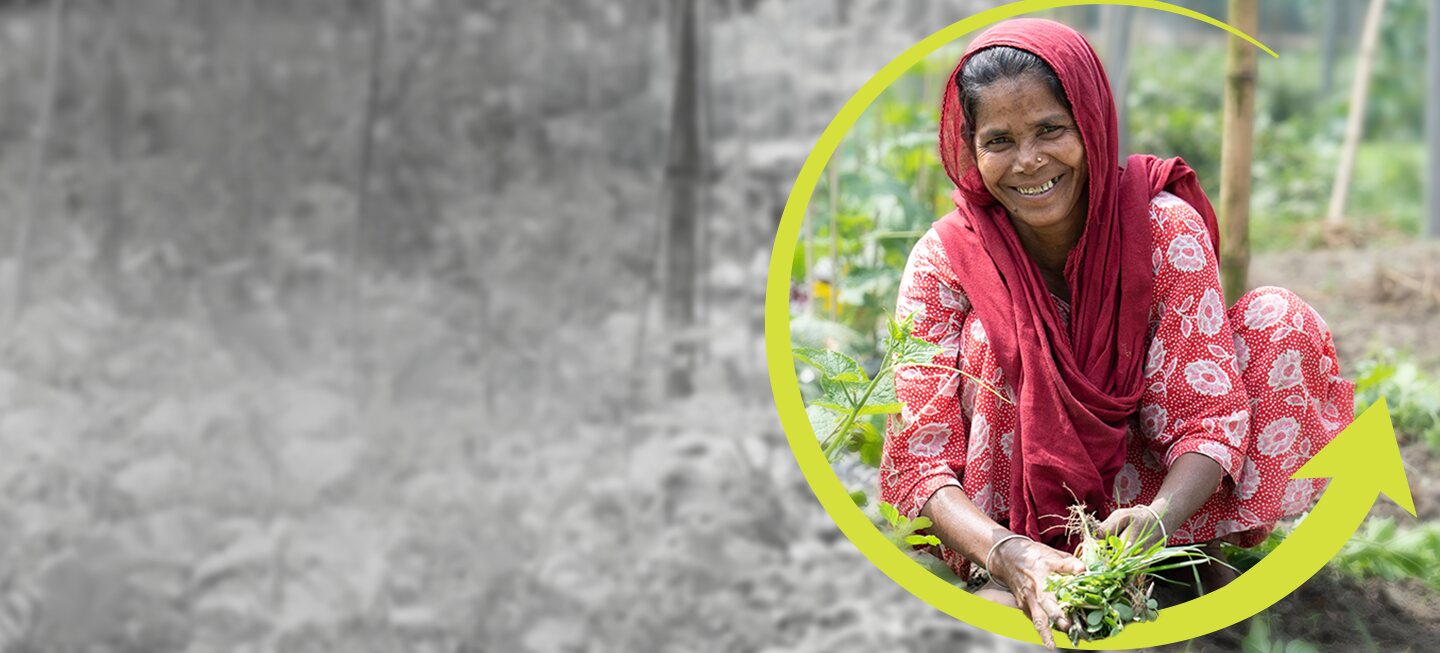
A smiling farmer in a red shawl holds freshly picked greens, framed by the FIF arrow

Adaptation from the South. For the World.

  • Edition8th edition
  • Conference25th and 26th July
  • VenueBRAC CDM, Savar

Frugal Innovation Forum 2025

About FIF

Over the past few years, FIF has created a platform to facilitate critical conversations on youth, education and digital financial inclusion to name a few. This year, FIF 2025 will explore the theme of Climate Adaptation in Agriculture, Food Security and Livelihoods. With global priorities constantly evolving, conversations on critical issues face the threat of being sidelined. As such, this 2-day residential conference will provide a platform for development practitioners, climate practitioners, entrepreneurs and the larger development ecosystem partners to openly discuss emerging climate challenges and climate adaptation solutions grounded in the realities of the Global South.

The event will feature immersive field visits to climate-vulnerable regions in Bangladesh, dynamic panel discussions, interactive breakout sessions, impact talks and a dedicated space for practitioners to showcase innovative, climate-adaptive initiatives.

Learn More

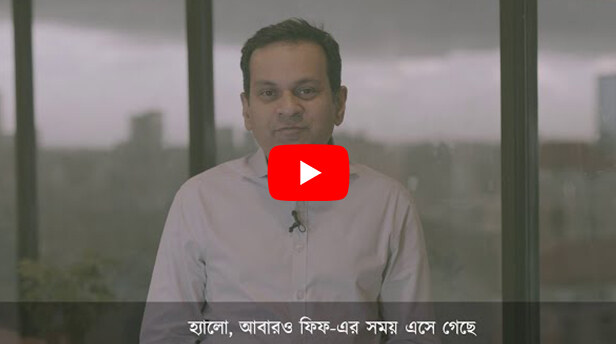
FIF 2025 introduction video
  • 01

    Agriculture

  • 02

    Food Security

  • 03

    Livelihoods

Two days

Agenda

Plan your schedule with our exciting sessions.

Day 1

25th July, 2025

  1. 10:00 AM – 10:10 AM

    Welcome note by Asif Saleh

  2. 10:15 AM – 10:25 AM

    Keynote speech:Frugal innovation for climate-resilient agriculture, food security, and livelihood

  3. 10:30 AM – 11:30 AM

    Plenary 1.1:Transformational adaptation in agriculture

    Transformational adaptation in agriculture requires fundamental shifts in farming systems, policies, and market structures rather than small, incremental changes. This session will explore transformative approaches to building climate-resilient agricultural models that promote long-term food security. Panellists will examine successful case studies where transformational adaptation has been implemented. The role of climate-smart policies, investment in agricultural research, and community-driven approaches will also be discussed to provide a holistic view of the pathways toward a resilient agricultural future. The session aims to equip stakeholders with insights into overcoming barriers, scaling solutions, and fostering multi-sectoral collaborations that drive real impact in agricultural adaptation.

  4. 11:35 AM – 12:35 PM

    Plenary 1.2:Navigating uncertainty through climate information services

    Given the disruptive nature of climate change, the role of climate information and its timely delivery is imperative to ensure the uptake of climate-adaptive agricultural practices for scalable food security. Climate information aims to provide farmers on the ground with the required knowledge to adjust their methods and adapt to changing weather and climate patterns, through which farmers can mitigate risk, enhance their climate adaptive measures and improve their livelihoods. This session aims to address the role and importance of access to climate information on the ground and the challenges of ensuring said access. A key element of the discussion of the session will also include how agri-tech can be leveraged to support farmers on the ground

  5. 12:40 PM – 02:40 PM

    Break

  6. 02:40 PM – 02:55 PM

    Launch agri-innovation exhibition

  7. 03:00 PM – 04:00 PM

    Breakout 1.1:Use cases for farmers in the field

    Breakout Plenary 1.1: Farming for the future: Practical innovations for smallholder farmers

    This 60‑minute session explores how equitable access to climate‑smart innovations can safeguard the livelihoods of smallholder farmers facing an increasingly volatile climate. After framing the urgency and equity dimensions, the moderator will invite three expert speakers to showcase real‑world technologies and practices already making a difference across the Global South—from AI‑enabled advisory tools to low‑cost water‑management solutions.

    Breakout 1.2:Use cases for practitioners

    This breakout session explores how climate information solutions can be localised to support adaptation in the Global South. Participants will hear real-world use cases from expert speakers and then work in country-based groups to assess the applicability of selected solutions. Using a guided template, groups will evaluate community readiness, evidence needs, resource constraints, and alignment with Locally Led Adaptation (LLA) principles. The session combines peer learning, practical analysis, and participatory design to build context-driven adaptation strategies.

    Breakout 1.3:Use cases for government and industry

    This discussion will highlight successful collaborations across South-South, regional, and South-North partnerships that have strengthened climate data availability in agriculture and food security. With climate resilience as the key focus, the strength of collaborations in developing local-led adaptation solutions will be explored. Case studies will demonstrate how governments and private-sector actors are leveraging partnerships to improve climate information accessibility and drive long-term, sustainable solutions.

  8. 04:10 PM – 04:25 PM

    Impact talk 1

  9. 04:30 PM – 04:55 PM

    Ideas in action:Exhibition

  10. 05:00 PM – 06:00 PM

    Plenary 1.3:Nature-based solutions

    This session explores the role of nature-based solutions (NbS) in promoting resilience in food systems. Topics will include the effectiveness of NbS in improving food security, challenges in ensuring inclusivity (especially for Indigenous communities and smallholder farmers), and economic implications. Speakers will also highlight successful national-level case studies and discuss pathways for scaling up these solutions.

  11. 06:05 PM – 07:00 PM

    Exhibition walkthrough

Day 2

26th July, 2025

  1. 06:00 AM – 07:00 AM

    Flow into focus: Morning yoga

  2. 09:30 AM – 09:40 AM

    Day 1 recap and day 2 preview

  3. 09:45 AM – 10:45 AM

    Plenary 2.1:What needs to be in the solution basket for farmers to adapt?

    Climate change threatens agriculture and food security, demanding a diverse set of solutions for farmers. This session will explore essential elements in the adaptation toolkit, such as resilient seeds, financial products, digital climate advisory tools, and post-harvest solutions. Experts will share evidence on successful interventions and discuss how these solutions can be bundled effectively to create scalable, farmer-centric adaptation models that improve resilience and livelihoods in vulnerable regions.

  4. 10:50 AM – 11:50 AM

    Breakout 2.1:Innovations in agricultural inputs

    This session explores how innovative agricultural inputs can support local solutions for climate adaptation. The session will give the participants a practical experience on how a solutions basket or a bundled service incorporates these inputs, how market players view them, and how to design them for better impact. A solution basket is a combination of agricultural inputs, financial products, and post-harvest services designed to meet the specific needs of smallholder farmers.

    Breakout 2.2:Financial products & climate-risk insurance

    The session explores and identifies the optimal combination of key financial products that can form an effective and impactful micro-solution basket tailored for farmers. This involves gaining a deep understanding of the perspectives of key market actors to determine which types of solution baskets are considered most essential from their point of view. Additionally, it is important to develop insights into practical implementation strategies by examining real-world examples of successful adoption of financial products. These insights will help outline clear pathways through which smallholder farmers can access and benefit from innovative financial solutions, ultimately enhancing their economic resilience and productivity.

    Breakout 2.3:Innovations in post-harvest access to markets and cold chain, innovations in connecting buyers with farmers

    This session explores how innovations in post-harvest access to markets and cold chain, innovative market linkage can support local solutions for climate adaptation. The session will give the participants a practical experience on how a solutions basket or a bundled service efficient these operations, how market players view them, and how to design them for better impact. A solution basket is a combination of agricultural inputs, financial products, and post-harvest services designed to meet the specific needs of smallholder farmers.

  5. 11:55 AM – 12:25 PM

    Impact talk 2

    The Impact Talk Series is a segment in the Frugal Innovation Forum where frugal innovators from the Global South highlight scalable, cost-effective solutions in quick 7-minute TED-style talks with 5 minutes for questions.

  6. 12:30 PM – 01:30 PM

    Plenary 2.2:Creating an enabling environment: Uniting the private and public sector

    Grounded in the principles of Locally Led Adaptation (LLA), the discussion will highlight how adaptation innovations can prioritise local leadership, context-specific solutions, and equitable access. While the private sector drives innovation through technology and capital, governments play a critical role in enabling scale and safeguarding inclusion. Through a panel of innovators, policymakers, and grassroots practitioners, this session will unpack how to create a truly enabling environment—where market-based climate solutions are locally led, inclusive, and sustainable.

  7. 01:30 PM – 02:15 PM

    Break

  8. 02:25 PM – 03:25 PM

    Plenary 2.3:Communities in the driving seat

    The session will follow three core parts: Decomposing LLA, LLA in Action, and The Way Forward. These segments will unpack challenges, showcase field-tested strategies, and highlight opportunities for partnerships, funding, and inclusive governance that support community leadership. It aims to promote a dialogue between grassroots leaders, development practitioners, and policymakers to co-create context-sensitive and inclusive solutions that put communities in control of their adaptation journeys. The goal of the session is to leave participants with a clear and pragmatic solution basket grounded in LLA principles.

  9. 03:30 PM – 04:30 PM

    Closing plenary:Frugal innovation for climate-resilient agriculture, food security, and livelihood

    This closing session will synthesise key insights from two days of dialogue at the Frugal Innovation Forum 2025, bringing together voices from government, research, and frontline practice. With climate change disrupting agriculture and food systems across the Global South, frugal innovation—defined by its affordability, accessibility, and adaptability—has emerged as a powerful lever for building resilience where resources are scarce and needs are urgent. Speakers will reflect on the most promising ideas, models, and tools surfaced during the Forum, while also identifying where greater effort, investment, and coordination are needed.

  10. 04:35 PM – 05:05 PM

    Closing address by Honorable Closing Speakers Environment Adviser Syeda Rizwana Hasan and Hossain Zillur Rahman

Session Description

FIF 2025
2-day Conference

The 8th edition of Frugal Innovation Forum (FIF) 2025, taking place on 25th and 26th July at BRAC CDM, Savar will focus on the thematic area of climate adaptation in agriculture, food security and livelihoods.

The 2-day residential conference will bring climate leaders, entrepreneurs, climate scientists, innovators and development practitioners together and discuss solutions in the global south, to scale for impact through interactive plenaries, impact talks, breakout sessions and peer learning.

A grain store with a signboard

FIF 2025 will comprise of 3 key components:

  1. 01

    2-day residential conference at BRAC CDM, Savar

    25th and 26th July

  2. 02

    Climate adaptive solutions’ exhibition during the conference

    25th and 26th July

  3. 03

    Field visit in climate vulnerable region (Barind) in Bangladesh

    23rd and 24th July

Exhibition

Frugal Solutions’ Exhibition

Two hands cradling a young plant

One of the key components of FIF 2025 is a climate adaptive and agri-tech solutions’ showcasing space during the conference days at BRAC CDM, Savar. Through the exhibition, frugally developed solutions from the ground will be brought forward to a global audience.

Through the exhibition, innovators can showcase their climate adaptive products and services to the attendees of the conference that will comprise of a diverse group of representatives from the larger development ecosystem, to build partnerships and scale for impact.

Who should exhibit and what to showcase?

  • 01

    Agri-tech firms

    end-to-end architecture of climate-smart farming (sensors analytics pay-per-use hardware last-mile delivery)

  • 02

    Grass-roots innovators

    prototypes from everyday materials, iterative design journals, community storytelling of bottom-up ingenuity

  • 03

    Locally led initiatives

    “adaptation bundles” combining Indigenous practices, cooperative finance, shared infrastructure

  • 04

    National & International NGOs (I/NGOs)

    Grassroots community-led adaptation solutions around issues of climate, agriculture and livelihood.

  • 05

    UN agencies

    systems-level enablers and success cases: open datasets, financing windows, policy frameworks, and local partnerships that proved effective

  • A truck loaded with harvested produce beside a tree

Field visit · Barind

Climate Realities and Adaptation Efforts on the Ground

FIF 2025 opens with a journey to the edges of Bangladesh’s climate frontline—where adaptation is not a concept, but a daily act of survival.

In the south, where salty water has taken over the land, people are learning to adapt—planting vegetables above the ground and saving every drop of rain as rivers become undrinkable.

Vegetables trained up a trellis beside a farmer and cattle

In the dry regions of Bangladesh, on the other hand, farmers rise before dawn to chase water across cracked earth, adjusting centuries-old farming practices as traditional weather cues become unreliable.

A field of paddy

The realities on the ground in climate-vulnerable areas today could soon become the reality for many across the globe.

The field visits aim to provide participants with the opportunity to see the on-ground realities up close and witness adaptation efforts firsthand, to better engage with the conversations at the forum driven by real stories and real insights.

Field visit

Who should participate:

The field visit is intended for participants with diverse regional and professional perspectives on climate adaptation. We particularly encourage participation from:

  • 01

    Expats residing in Bangladesh

    who work in climate change or adaptation

  • 02

    Non-resident Bangladeshis (NRBs)

  • 03

    Non-Bangladeshis

    with a professional background or strong interest in climate adaptation or agriculture

*Selection will prioritise individuals registered for the FIF 2025 conference and working independently or with organisations directly involved in the climate adaptation space.

A woman tending cattle beneath a tree

Please Note:

FIF is committed to a low-waste, climate-friendly event—expect simple, sustainable choices and bring a like-minded spirit.

Apply now Get in touch