Problem Areas

Lorem ipsum dolor sit amet, consectetur adipiscing elit.

What does a climate problem look like in everyday life?

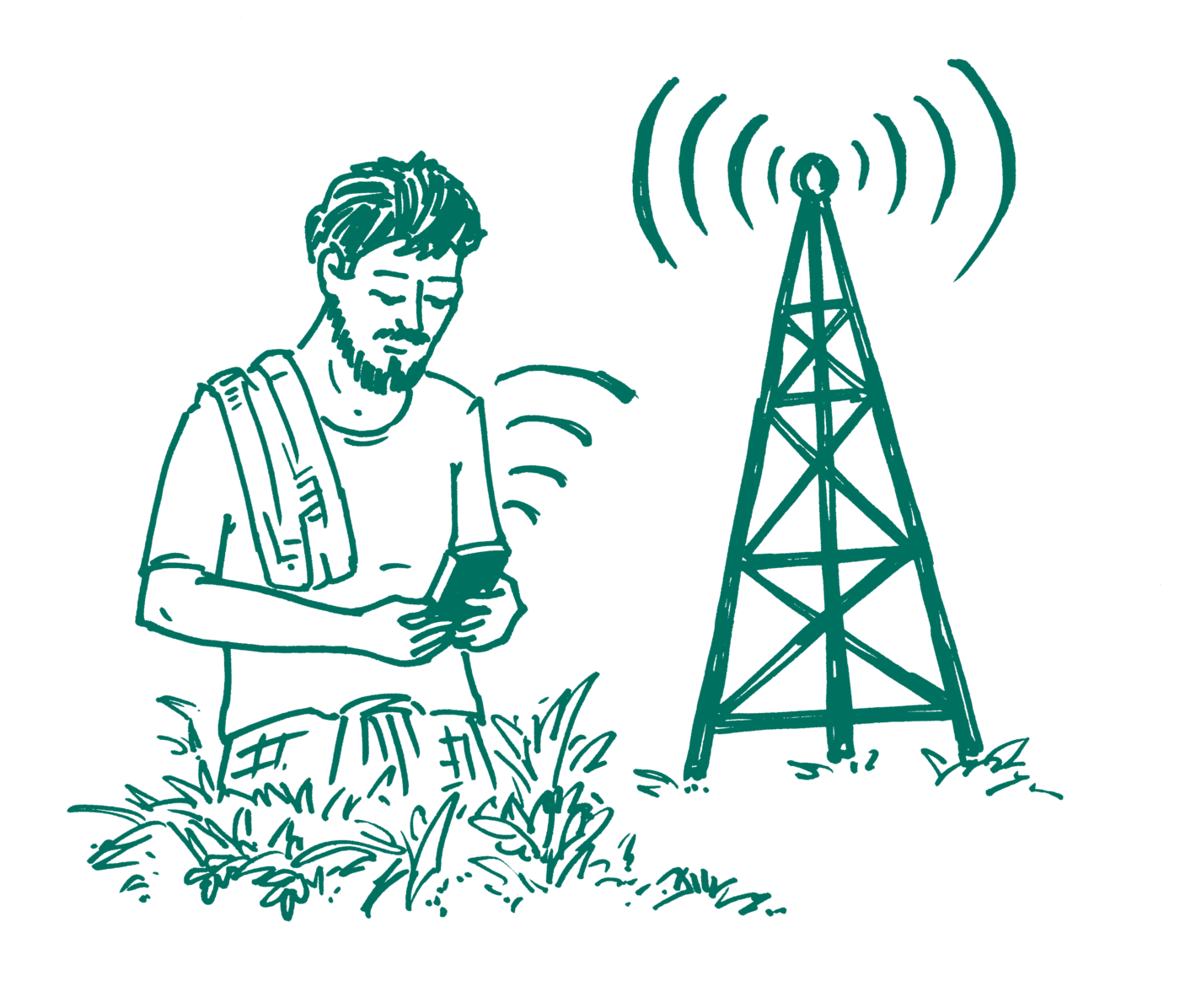
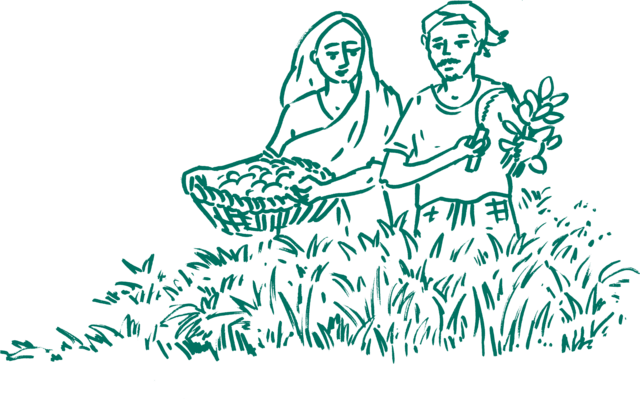
Meet Lokkhi

For Lokkhi and her family, changing weather doesn't affect just one part of life. Unpredictable rain can put a harvest at risk. Heat can affect health and work. Changing water conditions can create new challenges. When something goes wrong, the financial pressure can reach the whole family…

Her story is one starting point for you to think beyond a single problem and explore how climate risks affect people's everyday decisions.

Download the story (PDF)

The five problem areas

Two women harvesting a crop by hand

Climate adaption for Agriculture & Livelihoods

How could you help farmers and other workers make better decisions as weather and climate conditions change?

Think about crops, livestock, fishing, rural work, income or new ways of adapting livelihoods.

e.g., unpredictable harvest-time rain, heat-stressed crops and livestock, general forecasts that do not support local decisions, crop or livestock losses.

Guiding questions: Climate adaption for Agriculture & Livelihoods

  • Do you have an idea that could help a farmer like Lokkhi understand what a weather forecast means for her location and decide whether to harvest early, wait, irrigate, or take another action?
  • Do you have an idea for a farming or livestock practice, tool, or arrangement that could help households protect crops, cattle, and other sources of income through longer heat spells, floods, or unpredictable rain?
  • Do you have an idea that could help rural households adapt their livelihoods when their usual source of income becomes less reliable because of changing climate conditions?
  • Beyond Lokkhi’s story, are there other rural livelihoods such as fishing, day labour, or small livestock trading—where people have access to weather information but still struggle to know what to do, that a solution could address?
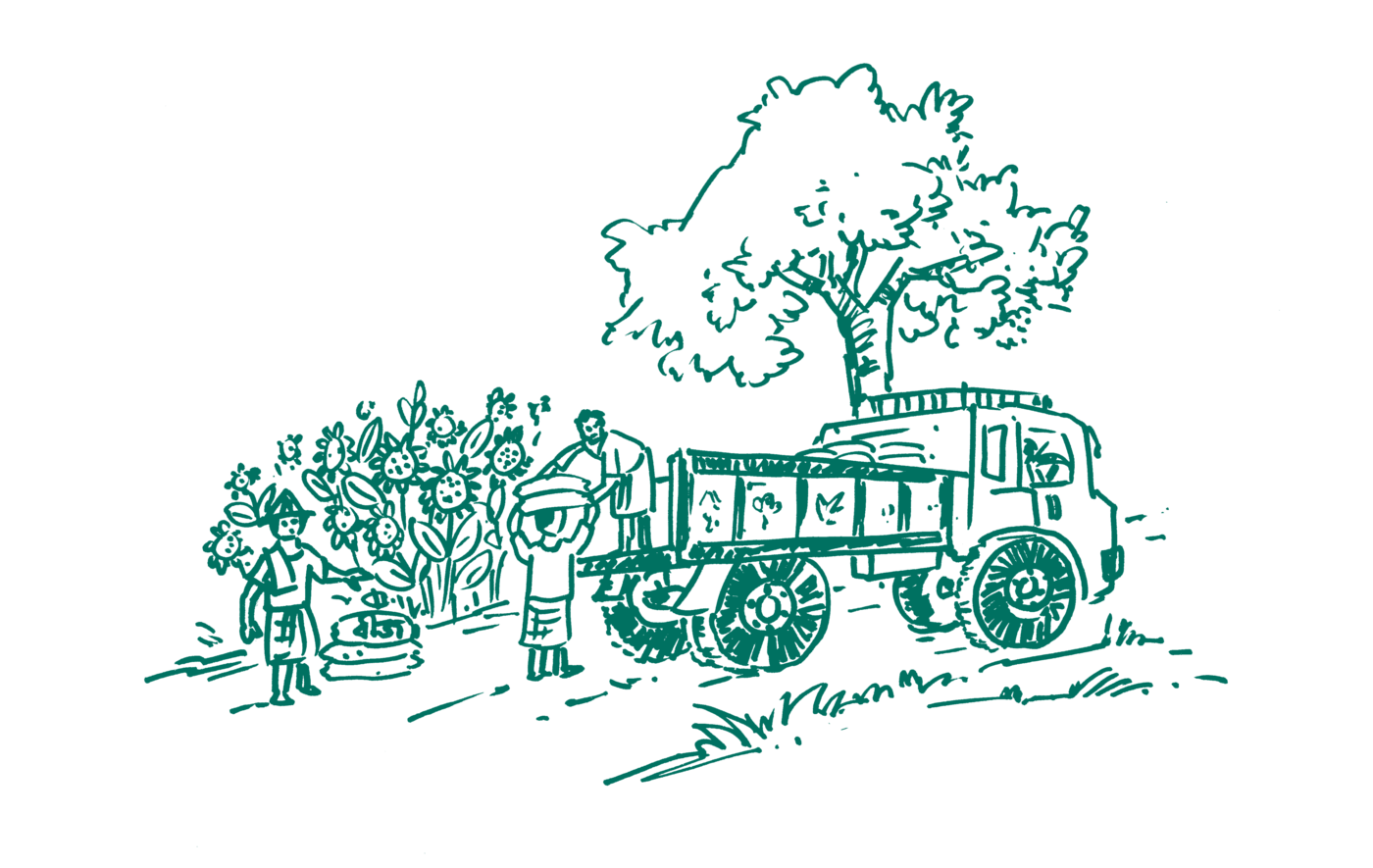
A loaded cart on the road to market

Urban Life & Work

How could you help people deal with heat, flooding, transport disruption or other climate-related challenges in cities?

Think about workers, informal businesses, neighbourhoods and everyday journeys.

e.g., waterlogged streets, unsafe heat for outdoor workers, lack of localised weather alerts, disrupted transport, lost daily wages.

Guiding questions: Urban Life & Work

  • Do you have an idea that could help someone like Amir understand what a heat or heavy-rain warning means for their specific neighbourhood, work, or journey—and what they should do next?
  • Do you have an idea for a tool, service, workplace practice, or arrangement that could help outdoor workers stay safer and protect their income during extreme heat or other climate-related disruptions?
  • Do you have an idea that could help people in cities respond to flooding, stagnant water, waste, transport disruptions, or other climate-related problems in their neighbourhood?
  • Beyond Amir’s story, are there other urban workers, informal businesses, or communities that receive climate information but still struggle to turn it into practical decisions that a solution could support?
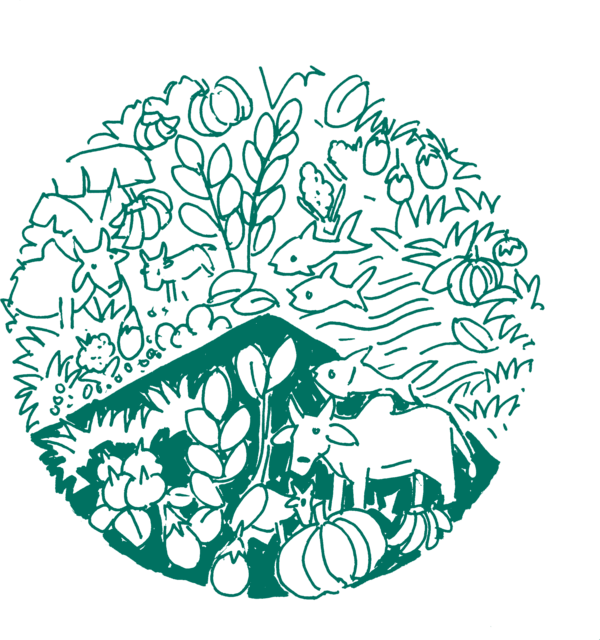
Cattle and goats in a village yard

Climate adaptive financial protection

What could help people prepare financially before a climate-related loss happens—or recover without falling deeper into debt?

Think beyond insurance. Explore savings, credit, emergency finance, flexible repayment or other approaches.

e.g., crop or livestock losses, lost income from extreme weather, distress selling of assets, emergency expenses, lack of timely financial support.

Guiding questions: Climate adaptive financial protection

  • Do you have an idea that could help a household like Lokkhi’s understand how a coming climate risk could affect their income and prepare financially before the loss happens?
  • Do you have an idea that could help households access the right financial support after a damaged harvest, lost working days, health expenses, or damaged assets, without falling deeper into debt?
  • Do you have an idea that could make savings, credit, insurance, emergency finance, flexible repayment, or other forms of financial protection more useful when climate disruptions happen?
  • Beyond Lokkhi’s family, are there other farmers, workers, small businesses, or people shifting to alternative livelihoods who face climate-related financial risks that better information or timely financial support could help address?

Solutions do not have to be insurance products. They could explore savings, credit, insurance, emergency finance, flexible repayment, risk-sharing or other financial approaches.

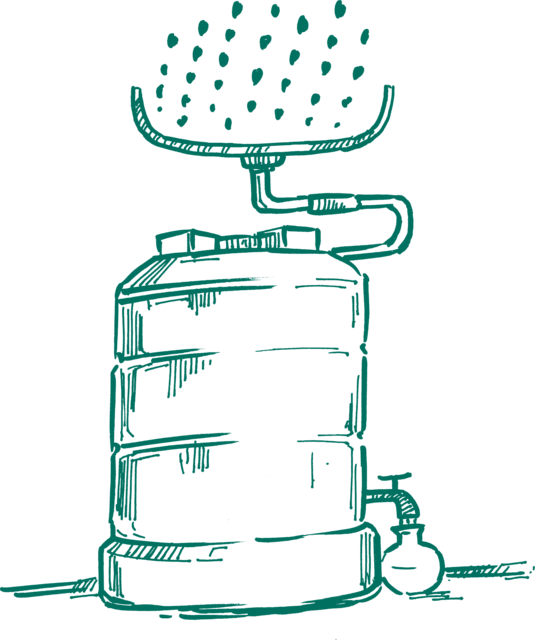
A rainwater harvesting tank

Water Resource Management

How could better information or new approaches help people manage changing water conditions?

Think about availability, quality, salinity, contamination, floods and dry periods.

e.g., seasonal water shortages, salinity in water sources, flood-contaminated water, drying ponds, poorly managed shared water sources.

Guiding questions: Water Resource Management

  • Do you have an idea that could help a community like Lokkhi’s understand what changing rainfall, dry periods, floods, or salinity mean for their available water and what they should do next?
  • Do you have an idea for a practice, tool, or system that could help communities protect water sources from salinity, contamination, waste, or other changes that affect water quality and availability?
  • Do you have an idea that could help households, farmers, or local businesses manage when their usual water sources become unavailable, unsafe, or difficult to access?
  • Beyond Lokkhi’s village, are there other communities or livelihoods (fishing, farming, or small businesses) facing water challenges where better information could help people make more timely decisions?
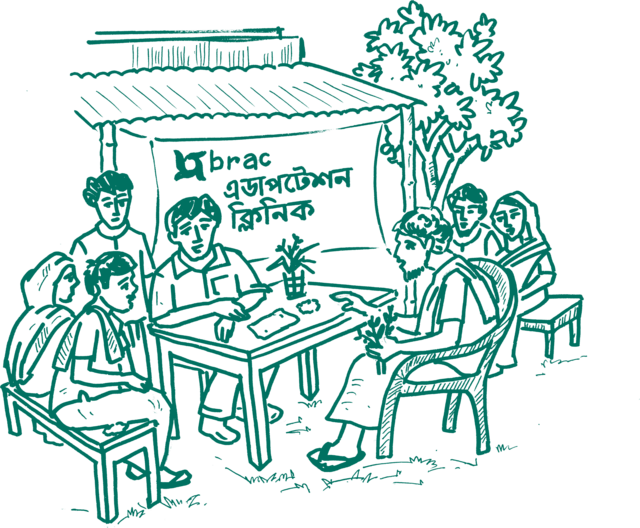
A community health clinic

Health & Resilience

How could people better protect their health when extreme heat, flooding or other climate risks affect everyday life?

Think about prevention, access to care, medicines, safe work and community-level solutions.

e.g., heat-related illness, waterborne and vector-borne diseases, unsafe water, disrupted access to healthcare, interrupted treatment.

Guiding questions: Health & Resilience

  • Do you have an idea that could help someone like Daulat understand what extreme heat or other weather warnings mean for their health and what they should do to stay safe?
  • Do you have an idea that could help people like Lokkhi’s mother continue getting essential medicines, treatment, or care when floods, heat, or other disruptions make it difficult to reach a health facility?
  • Do you have an idea that could help communities reduce health risks linked to flooding, stagnant water, waste, unsafe water, mosquitoes, or other climate-related changes?
  • Beyond Lokkhi’s family, are there other people or communities (outdoor workers, migrants, older people, or people with regular healthcare needs) who receive climate information but still struggle to know how to protect their health or access care?

Start with a climate problem

Climate change affects how people…

  • grow food
  • earn a living
  • access water
  • stay healthy
  • manage everyday life

You can approach the problem through:

  • technology
  • a service
  • a business model
  • a financial mechanism
  • behaviour change
  • or a combination of these

Ready to apply?

Applications open 25 October, 2026

Apply now